
By Matthew Mitchell
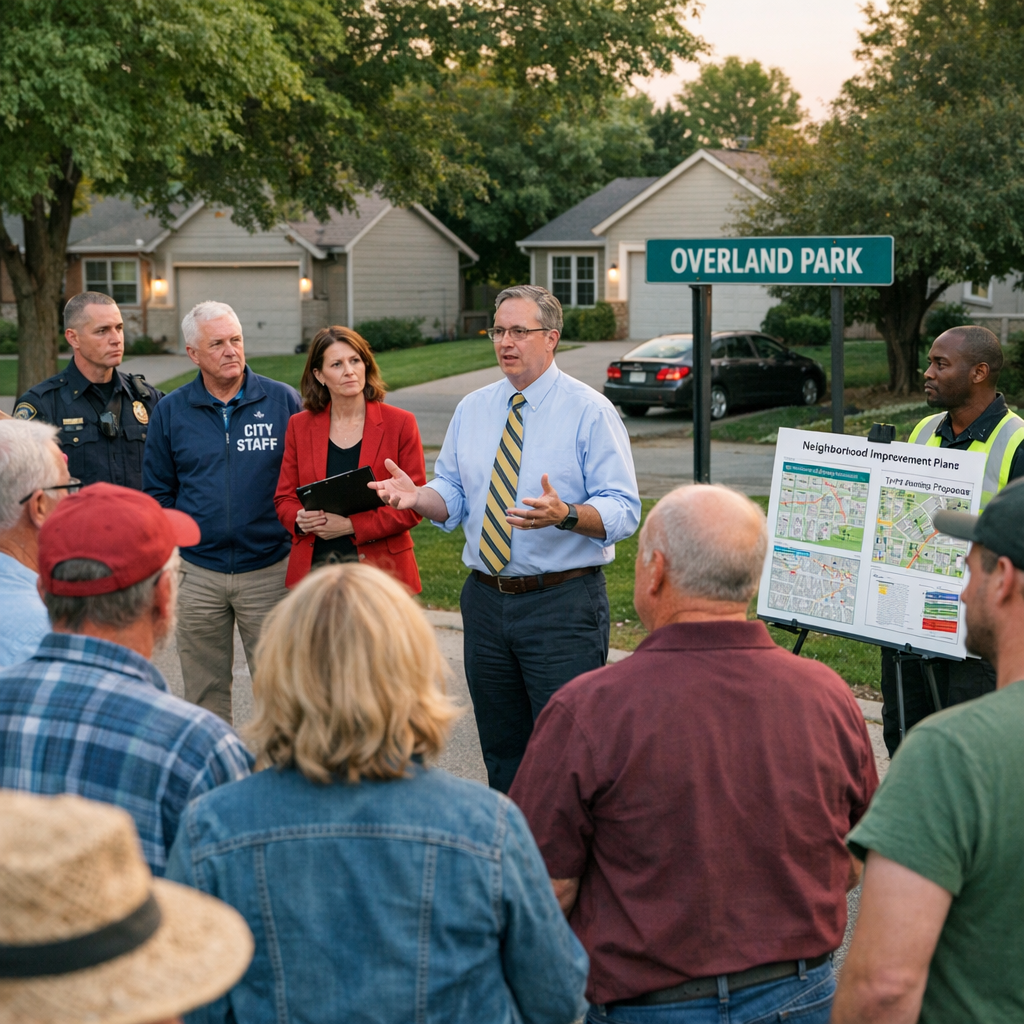
Change is quietly unfolding across Overland Park—through new zoning proposals, community survey results, and shifts in how residents think about home and neighborhood. It’s not always loud, but it’s always felt. I’ve spent time walking sidewalks, listening in on public forums, and hearing from neighbors. Here’s what I’ve found.
Growing Pains—and Growing Needs
The 2024 community survey showed strong satisfaction among residents: 96% said this is a great place to live, and nearly as many said it’s a great place to raise children. Public safety, parks, and city services scored high marks. But the survey also pulled back the curtain on frustration with traffic flow and street conditions—longstanding issues in nearly every corner of town. These are not minor critiques; they’re signals that some basic, visible infrastructure is lagging behind expectations.
Where Can We Build Affordably?
Efforts to expand housing options—for younger families, people entering the workforce, or older adults looking to downsize—are bumping against regulations, neighborhood character concerns, and the cost of doing business. Zoning codes that once seemed routine are now seen as barriers. For example, pilot programs for “portfolio homes” are meant to introduce more varied housing types, but many neighbors worry about what this means for traffic, lot sizes, and how their streets will feel.
The Trade-Off Between Choice and Control
Some of the most heated conversations involve solid waste collection. Residents express concerns about losing the ability to choose their trash provider or facing rate increases under a move toward single-provider contracts. These debates reflect broader tensions: when the city consolidates services, does efficiency win? Or does personal control—over cost, service level, even local character—slip away?
What Neighbors Say, What We Should Hear
- Many want more voices at the table: development hearings, surveys, public comment times. When the city proposes zoning changes or housing pilots that affect entire neighborhoods, residents want to understand the what, why, and how—so they can weigh in meaningfully.
- Neighborhood identity remains deeply important. Even when residents support denser housing, there’s concern that neighborhood character—green space, walkability, familiar building styles—gets lost. What people often ask for is not a return to the past, but thoughtful transitions.
- Visibility matters: potholes, crackling streetlights, traffic jams—these are the proof points people see daily. City leadership gets strong marks overall, but visible neglect in infrastructure wears on trust faster than good intentions ever can.
Looking Forward: Questions for Shared Progress
We should ask:
- How can Overland Park expand housing options without erasing what makes each neighborhood feel like “home”?
- What systems ensure residents can give input early, often, and when it actually matters?
- Can services—trash, roads, traffic signals—be managed in ways that balance cost, quality, and choice?
Because I believe, deeply, that Overland Park’s strength is its neighborhoods—where people know each other, where identity and agency matter. Holding on to that doesn’t mean avoiding change. It means shaping change together.